NY Election Results: What Do They Mean for Independent Agents & Brokers?
By Travis Wattie, MPA, CPCU, VP of Government Relations
Now that the political ads, polling, and punditry are behind us, at least for a few months, it’s time to shift our attention from election results to what they mean for the insurance industry and Big I New York public policy priorities.
Here’s the topline message: Regardless of the election outcome, Big I New York’s grassroots advocacy program has never been stronger. We are well positioned to champion a healthy insurance marketplace where independent agents and brokers can best serve their clients.
Gov. Hochul Returning to the “2nd Floor”
For many political observers, the question wasn’t whether Gov. Hochul would win a second full term, but by how much. With a 20-point margin of victory and multiple seats changing hands in Congress and the State Legislature, she enters her next term from a position of strength.
So, what does that mean for our industry?
Big I New York maintains a strong working relationship with the governor and her team that has produced meaningful results. Gov. Hochul has taken on the plaintiff’s bar through multiple legislative vetoes of bills that would have widened loopholes contributing to legal system abuse and, most recently, through historic auto insurance tort reforms.
On issues that directly affect independent agents and brokers, such as non-compete agreements, photo inspections, and anti-arson applications, the governor has also demonstrated a willingness to embrace common-sense solutions and industry modernization.
We have reason to be optimistic that this progress will continue, but our success also depends on advancing responsible reforms that benefit consumers and support a more accessible and affordable insurance marketplace.
That means continuing to make the case for reforms to New York’s costly Labor Law 240/241, aligning the state’s agent and broker licensing requirements with other states through a single producer license, making the auto photo inspection waiver permanent, and requiring transparency around third-party litigation financing agreements.
Supermajorities in the Assembly and Senate
The biggest legislative headline is that Democrats in both chambers will enter 2027 with supermajorities, giving them the ability to override a gubernatorial veto. While veto overrides are rare in New York, this dynamic will inevitably factor into political calculations.
Another development with significant implications for our advocacy efforts is legislative turnover.
The typical turnover rate in the New York State Legislature is roughly 10%. This election cycle, that rate more than doubled, driven by an above-average number of retirements and incumbent losses.
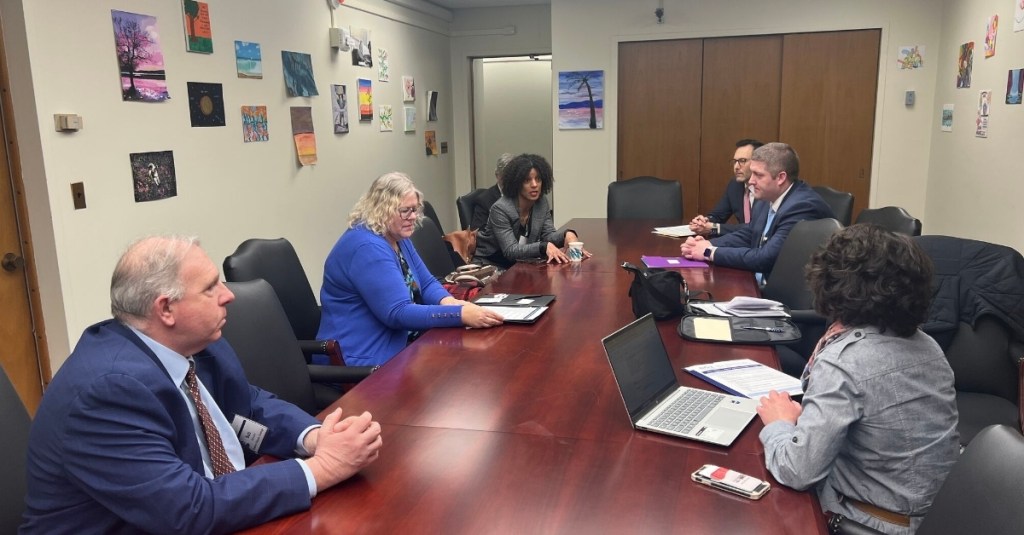
And the changes won’t stop with the members themselves. As both chambers organize for 2027, shifts in legislative leadership and committee assignments will change who drives the legislative agenda and influences the issues important to our industry. We’ll need to build relationships with new lawmakers while strengthening connections with those taking on new roles and positions of influence.
The good news is that we’re well-positioned to navigate these changes and continue advancing our public policy priorities. Several legislative breakfast events are scheduled through the end of the year, Group of 100 (G100) legislative engagement activities are being planned, and members will continue building connections through local political events and the Independent Agents Political Action Committee (IAPAC).
Ultimately, Big I New York’s influence comes from the collective voice of the independent agents and brokers we represent. While our grassroots advocacy network is mighty, with so many changes ahead, we need to continue growing the number of dedicated advocates willing to step up, build relationships, and help elected officials understand the issues affecting our businesses, clients, and industry.
The election may be over, but our advocacy work continues, and I hope you will consider being part of it.
Topics