Helping Clients Understand Their Changing Climate Risk [VIDEO]
For decades, insurance professionals have helped clients protect what matters most by evaluating the risks they face today. But today’s property owners face a new challenge:
Climate-related hazards are evolving, and historical experience alone may no longer tell the whole story.
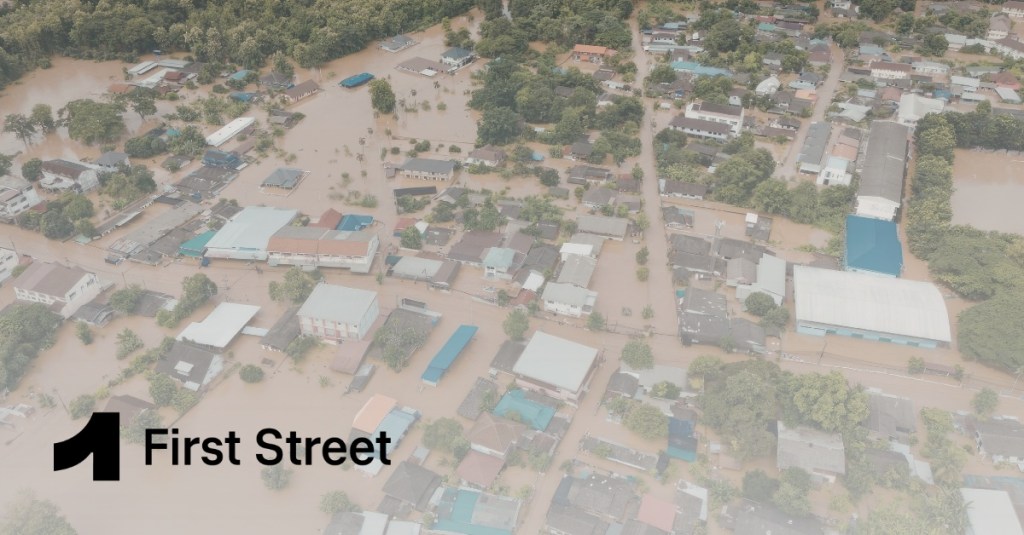
Flooding is occurring in areas that have never experienced significant water damage before. Stronger wind events, prolonged periods of extreme heat, and worsening air quality are becoming more common across many parts of the country. As these conditions continue to change, homeowners and business owners need more than a review of their current insurance policies—they need a better understanding of the risks their properties may face in the years ahead.
Agents work hard to educate policyholders on what their policies do and do not cover, but that isn’t always enough to convince property owners to secure flood insurance, etc. Many consumers underestimate the likelihood or potential severity of events such as flooding, severe storms, and other natural disasters, particularly when they have never experienced a loss firsthand.
Tools such as the First Street platform provide valuable insights by helping property owners visualize their specific risks and better understand how those risks may impact their homes and financial security.
By combining the expertise of insurance professionals with accessible risk information, agents can help customers make more informed decisions about coverage options, including the importance of considering protections such as flood insurance and other supplemental coverages. The First Street platform is an important tool that helps customers better understand their individual risk exposure by providing clear, data-driven insights about potential hazards affecting their property.
This disconnect is known as the protection gap, and it’s becoming increasingly important as climate-related risks continue to evolve.
Fortunately, Connecticut insurance professionals have access to a valuable educational resource that can help bridge that gap. The Connecticut Insurance Department, in collaboration with First Street, offers a free climate risk mapping tool that provides property-specific, forward-looking information about climate risks for addresses across the state. By incorporating this resource into client conversations, insurance producers can help consumers better understand their property’s exposure and make more informed decisions about their insurance coverage.
On July 23, we had the privilege of welcoming Matthew Eby, Founder and CEO of First Street, for an insightful webinar exploring the future of climate risk assessment in the insurance industry. During the session, Matthew introduced the First Street Climate Risk Tool, demonstrating how it provides property-level, forward-looking risk data that empowers insurance professionals to better understand emerging climate exposures, identify potential coverage gaps, and have more informed conversations with their clients.
Please note: You must be logged in to access the recording of this webinar.
Topics