Big I NY Chair Op Ed: Why NY Lawmakers must support Hochul’s Car Insurance Reforms
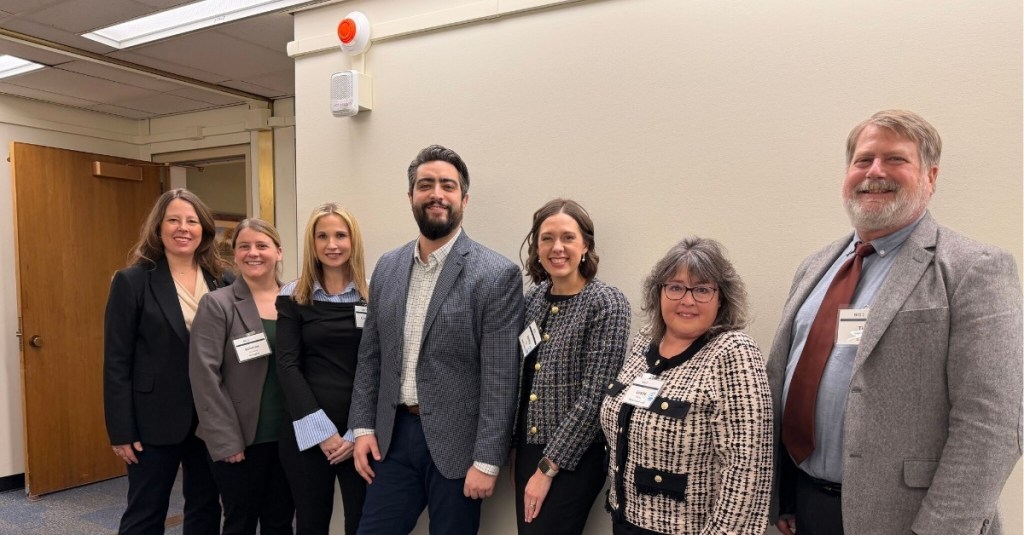
Big I New York’s media campaign supporting Gov. Kathy Hochul’s auto insurance reforms continued this week with an opinion editorial from Board Chair Kelly Gonyo. Gonyo’s piece was published in USA Today Co.’s eleven papers covering the Hudson Valley and Central and Western New York.
Read it here:
The price of eggs, groceries and gas have long defined kitchen table issues. But now, for many New Yorkers, that list includes the price of car insurance — just to stay on the road. As an independent insurance agent and small business owner, a car is not optional for my customers, my team and millions of New Yorkers who depend on having reliable and affordable transportation options. A car is a lifeline for work, school, errands and access to community. It impacts affordable public transit too.
Auto insurance fraud and expensive, excessive litigation are placing these lifelines under growing strain. Gov. Kathy Hochul is taking on well-funded interests to bring those costs down and deliver for New Yorkers and the economy.
Fraud and lawsuit abuse have turned New York into one of the most expensive states for auto insurance. Premiums run about $1,500 above the national average, and drivers effectively pay a $300 “fraud tax” each year. On top of that, the broader costs of lawsuits and legal abuse add about $7,000 per household, with auto insurance liability a major driver of those costs.
The root of the problem is clear. In 2024, the Department of Financial Services recorded more than 38,000 suspected cases of no-fault auto insurance fraud. New York also ranks among the top states for personal auto injury payouts and for the cost of processing and litigating claims, an indication of how frequently claims escalate into complex, high-cost cases.
The consequences are not just financial — they’re also dangerous. In 2023, nearly 2,000 staged crashes put New Yorkers at risk. These incidents exist only to generate payouts. In 2003, 71-year-old Queens grandmother Alice Ross lost her life in a staged accident. Even after Alice’s Law made staging an accident a felony, the schemes persist because the system remains lucrative and easily exploited.
This is not new, but it is getting worse. Fraud is becoming more sophisticated, better staged and coordinated, while legal abuse is inflating claims through excessive treatment,
exaggerated injuries, and aggressive litigation. Together, they’re driving up costs far beyond what the underlying incidents would justify.
Complicating reform, powerful interests that benefit from the current system are spreading false claims to protect the status quo.
Myth no. 1: Insurers can charge whatever they want
That is not the case. The state’s top insurance regulator, DFS Acting Superintendent Katilyn Asrow, testified before the state Legislature that rate filings are subject to rigorous review of extensive data and cannot be excessive, unfairly discriminatory, or inadequate to cover anticipated costs. Filings are reviewed for months, often through multiple rounds of questions and data requests, and are frequently approved at lower levels than originally requested.
Myth no. 2: Insurers are making excessive profits
Asrow testified that New York auto insurers have not been profitable for at least the past five years. She also noted that sustained losses are contributing to market instability, as reflected by eleven recent carrier withdrawals and an increase in nonrenewals.
Other states have faced similar challenges and acted. States like Florida, Georgia, Louisiana, and Michigan have updated their legal frameworks, strengthened anti-fraud enforcement, and improved transparency. While each state’s approach differs, the common thread is reducing incentives for abuse and restoring balance to the system. These changes have increased insurer participation and competition, resulting in measurable relief for drivers, including rate stabilization, reductions, and even refunds.
Closer to home, neighboring states don’t face the same auto insurance crisis. While population density can play a role, drivers in nearby states pay less relative to median household income: Pennsylvania, Vermont, Massachusetts and Connecticut are below the national average, New Jersey just above and New York ranks fourth highest. Density alone does not explain it. Fraud and excessive litigation are inflating premiums well beyond what drivers should have to pay.
Support Hochul’s auto insurance reforms
The status quo isn’t working. New Yorkers feel it every month, and the data confirms it. Lawmakers must put affordability first, and with the Governor pushing reform and 86% of New Yorkers in support, the mandate is clear.
Time is running out in Albany, so now is the moment to act. I urge New Yorkers to contact their state lawmakers and make it clear: prioritize affordability and support the governor’s auto insurance reforms.
Topics