One More Myth About New York’s Certificates of Insurance Law– Workers’ Compensation Forms

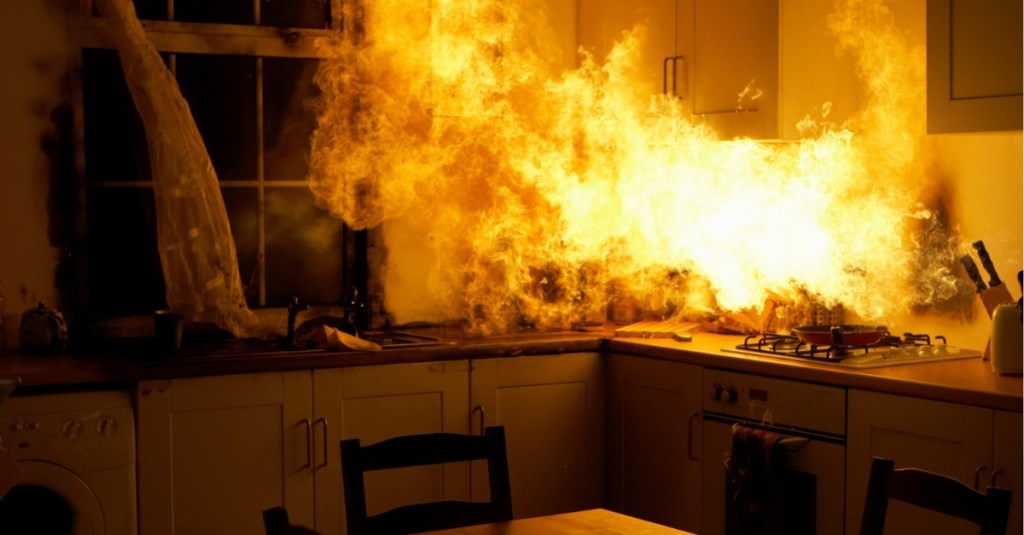
I have returned this morning from 11 days off. I spent a few days in the Thousand Islands region with some college friends, spent a week with my family on the Jersey Shore, played golf badly, coated myself with SPF infinity sunblock and sat on the beach, read a bunch of books, and pretty much forgot about insurance for two weeks. Today, I bear a striking resemblance to the picture displayed above.
Nevertheless, it’s a new dawn, it’s a new day … sorry, lapsed into song for a minute there. But it is a new day, because New York’s law governing the use of certificates of insurance took effect one week ago today (I celebrated by taking a nap on the beach in Ocean Grove, NJ). Accordingly, the questions from IIABNY members have been coming in fast and furious in my absence. There’s one question that we’ve gotten from all corners of the state, so I think it’s worth addressing in an addendum to my earlier post about the myths surrounding the law. The following email from a member is representative:
“Could you please let me know if the new law also extends to Disability and Workers’ Compensation certificates of insurance? We are wondering if the DB120.1 and C105.2 certificates are still valid forms to use. They are not on the list of approved forms.”
The answer to this question is in the new Section 502 of the New York Insurance Law. It states in part:
“In this state:
(a) With respect to a certificate of insurance evidencing that a policy provides personal injury liability insurance or property damage liability insurance, as defined in paragraphs thirteen and fourteen of subsection (a) of section one thousand one hundred thirteen of this chapter, no person or governmental entity shall wilfully require, as a condition of awarding a contract for work, or if a contract has already been awarded as a condition for work to commence or continue under the contract, or if the contract has been performed or partially performed as a condition for payment to be made under the contract, the issuance of a certificate of insurance unless the certificate is:
- A form promulgated by the insurer issuing the policy referenced in the certificate of insurance, or
- A standard certificate of insurance form issued by an industry standard-setting organization and approved for use by the superintendent, or any other form approved for use by the superintendent.”
This means that a person or organization may not retaliate against another for failing to provide an unapproved certificate form. However, note the words in italics– the prohibition applies only to certificates that evidence a policy that provides liability insurance.
The text references New York Insurance Law Section 1113, which defines the types of insurance that can be provided in this state. Paragraphs 13 and 14 of subsection (a) of that section define personal injury liability insurance and property damage liability insurance. There is an entirely separate paragraph (paragraph 15) that defines workers’ compensation and employers’ liability insurance. Another paragraph (paragraph 3) states that statutory disability insurance is a type of accident and health insurance. The certificates law does not mention either of these paragraphs.
Since the certificates law specifically references the definitions of liability insurance but not the definitions of workers’ compensation or accident and health insurance, I think it is clear that the legislature did not intend for the prohibition in Section 502(a) to apply to workers’ compensation and disability certificates. Thus, project owners are free to retaliate against third parties who fail to provide these types of certificates, regardless of whether the New York State Department of Financial Services has approved them.
I get a lot of calls about troublesome certificate forms (I actually received one while in the process of creating this post). However, I almost never get complaints about the workers’ compensation certificates. They don’t seem to be the forms that are causing problems for producers.
Bottom line: Yes, third parties may still require the C-105.2 and DB-120.1 certificate forms, and no, the forms do not have to be approved by the DFS.
Topics