How Will SSL Coverage Apply to Commercial Auto Policies With Entities Other Than Individuals As the Named Insured?
UPDATE: Effective March 26, 2025, the requirement to automatically include Supplemental Spousal Liability Coverage on an Automobile Liability Insurance policy no longer applies to Commercial Auto Insurance policies.
Question: “How will the New York supplemental spousal liability (SSL) coverage apply to commercial auto policies with entities other than individuals as the named insured?”
Answer: Interesting question, and the answer lies in the fact that a personal or commercial auto liability policy can cover several parties in addition to the named insured.
For example, the Who Is An Insured provision in Section II – Liability Coverage in the ISO Business Auto Coverage Form, CA 00 01 11 20, states:
- Who Is An Insured
The following are “insureds”:
a. You for any covered “auto”.
b. Anyone else while using with your permission a covered “auto” you own, hire, or borrow, except:
(1) The owner or anyone else from whom you hire or borrow a covered “auto”.
This exception does not apply if the covered “auto” is a “trailer” connected to a covered “auto” you own.
(2) Your “employee” if the covered “auto” is owned by that “employee” or a member of his or her household.
(3) Someone using a covered “auto” while he or she is working in a business of selling, servicing, repairing, parking, or storing “autos” unless that business is yours.
(4) Anyone other than your “employees”, partners (if you are a partnership), members (if you are a limited liability company), or a lessee or borrower or any of their “employees”, while moving property to or from a covered “auto”.
(5) A partner (if you are a partnership) or a member (if you are a limited liability company) for a covered “auto” owned by him or her or a member of his or her household.
c. Anyone liable for the conduct of an “insured” described above, but only to the extent of that liability
In your example, the word “you” in 1.a. above refers to a business entity. However, any of the insureds described in 1.b. or c. could be individuals– employees driving company vehicles, etc. This is what the law mandating SSL coverage says:
g)
(2) (A) Every insurer issuing or delivering any policy that satisfies the requirements of article six of the vehicle and traffic law shall provide coverage in such policy against liability of an insured because of death of or injuries to his or her spouse up to the liability insurance limits provided under such policy even where the injured spouse, to be entitled to recover, must prove the culpable conduct of the insured spouse, unless the insured elects, in writing and in such form as the superintendent determines, to decline and refuse such coverage in his or her policy. Such insurance coverage shall be known as “supplemental spousal liability insurance”.
The policy has to provide coverage for the liability of an insured for death or injuries to a spouse. Not the named insured; an insured. An employee using an auto owned by the named insured with the named insured’s permission is automatically an insured. If that employee were to be named as a defendant in a lawsuit alleging liability for injuries to the employee’s spouse, this coverage would apply to that employee.
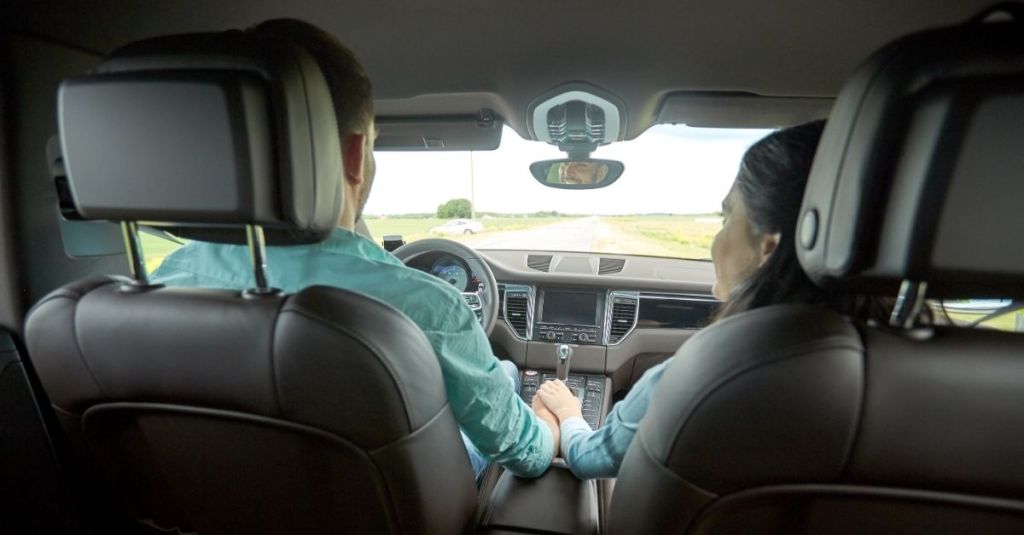
It’s easy to imagine this happening with a salesperson who is provided with a company car that the employee can use for personal matters. Example: Salesperson and spouse are involved in a head-on collision with another vehicle. The other vehicle’s insurer pays out policy limits for injuries to the spouse, then subrogates against the employer’s auto liability insurance carrier, arguing contributory negligence on the part of the employee who was driving at the time. Since the employee is “an insured,” SSL coverage would apply to that subrogation action.
Topics